'Air-to-water' air source heat pumps installation, Devon
direct heat
air source heat pumps
In simple terms, an air source heat pump works like an inside-out fridge!
It takes heat from the air outside, increases its temperature by using compression, then transfers this energy into your home to provide heating and hot water.
Far more efficient than traditional boilers, when properly installed, an air-source heat pump can deliver up to four times more heat energy into your home than the electrical energy it consumes. . . which is why more and more heat pumps are being installed every year, from 40,000 UK wide in 2023, to over 100,000 last year!
BONUS: Air-to-Water or Air-to-Air heat pumps?Air-to-water (A2W): This is the most commonly adopted form of Air Source Heating for homes across the South West. With A2W heat pumps, warmth from the atmosphere is transferred to water, which then circulates through your existing central heating system. . . and also provides hot water.
Air-to-air (A2A): Less popular due to the likely need for additional pipe work, and noisier operation, these systems transfer heat directly into the air, which is then circulated around the home using fans.
As a guide; Air to Air heat pumps are only really suitable for smaller homes or flats with limited outside space, fewer rooms, or without existing 'wet' central heating.
CLICK HERE TO CLOSE THIS INFO
freephone: 08000 30 27 77
installation
of air source heat pumps
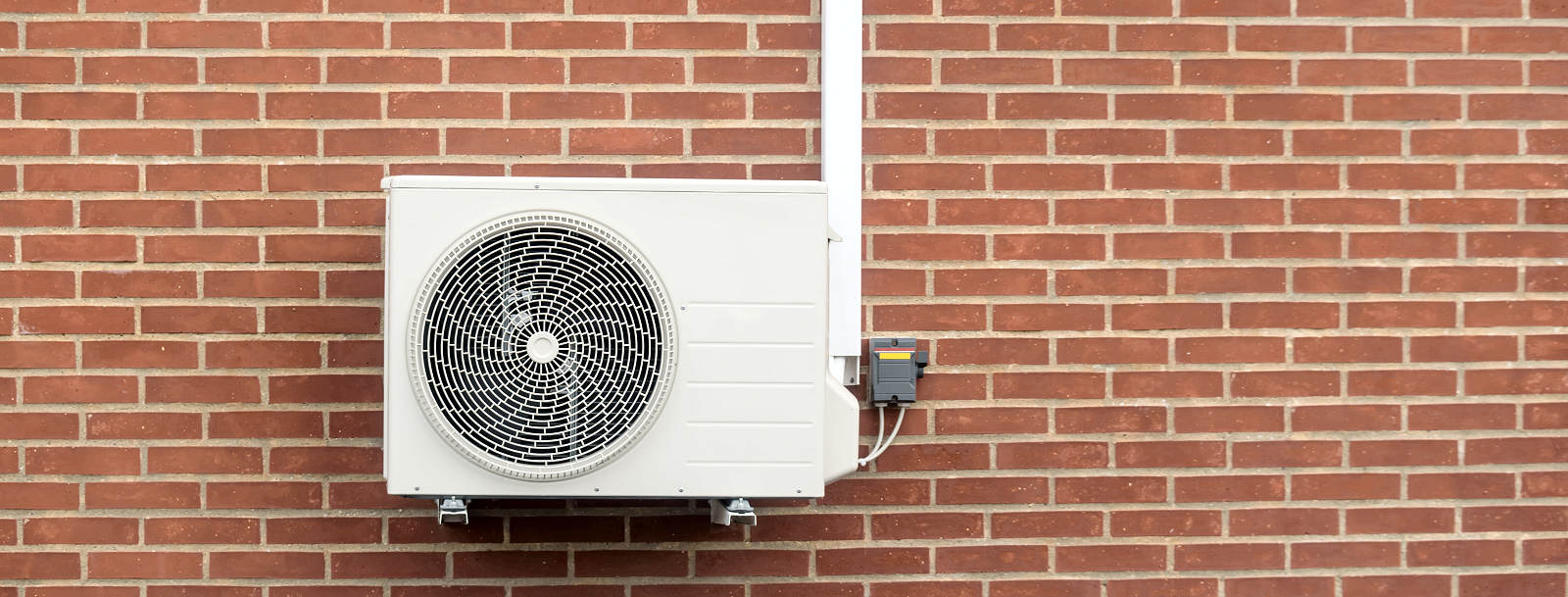
The heat pump unit is located outside of the property close to an exterior wall, and takes up around the same space as a wheelie bin.
Indoors; you will need an insulated cylinder to store the hot water generated by the heat pump, and our engineers may recommend upgrading radiators to maximise the system's efficiency. These additions, if required, will be included in the installation quote and are covered by a BOILER UPGRADE SCHEME grant.
BONUS: Installing an air-source heat pumpThis example is based on installing an air-to-water heat pump into a home without a suitable existing hot water cylinder.
External & structural works will include:
- Constructing a solid base or plinth for the heat pump, close to an exterior wall.
- Inserting pipes through the wall, ready for connection to your central heating system.
Internally, this example installation would involve:
- Remove an existing boiler. If you have an existing fossil fueled boiler, Solŵr UK will arrange for a Gas Safe registered engineer to remove it, make any changes necessary to the pipework or radiators, and flush the system.
- Installing a hot water cylinder. This will be positioned somewhere inside your home, ready to be connected to the plumbing (a typical cylinder should fit in a space of around 80cm x 80cm.)
- Plumbing in. Finally, your heat pump will be plumbed in to the central heating system, connect to an electricity supply and thoroughly tested.
In some cases you may wish to consider further improving efficiency by upgrading your radiators, work that would also be covered by a Boiler Upgrade Scheme grant as described above.
Tip: If your heat pump is being installed during the colder months of the year, please bear in mind that your central heating will be turned off during the installation process, which will typically take a couple of days.
CLICK HERE TO CLOSE THIS INFO
Solŵr will apply for the BUS on your behalf!
As a bonus; to encourage adoption, heat pump installations are exempt from VAT
freephone: 08000 30 27 77

winter
will a heat pump still work?
Surprisingly, yes! Our moderate climate in Devon & the South West lends itself very well to air-source heating. . . all year round.
Of course, as the outside air cools, there is less heat energy to extract, so a heat pump will becomes less productive. However, even with such a drop in efficiency, unless an air source heat pump reaches its minimum operating temperature (usually around -10°C ), it will continue to generate warmth throughout the winter!
CLICK HERE FOR MORE HEAT PUMP FAQSHow effective are heat pumps? Heat pumps are typically 300% to 400% efficient, which means; for every 1 kWh of electricity used to power the system, the pump will produce 3 to 4 kWh of heat, tripling traditional electric heating and more efficient than gas boilers.
Do heat pumps still work in the winter? Surprisingly yes! Heat pumps work in air temperatures as low as -20°C, (Scandinavian countries have the highest heat pump adoption rates in Europe. )
Will a heat pump work with my existing radiators? Yes, most existing radiator systems can work with heat pumps, although our engineers may recommend upgrading some radiators to larger sizes for optimal efficiency.
Are heat pumps noisy? Modern heat pumps are very quiet, producing a low whirring sound similar to a refrigerator… and typically less noisy than a traditional gas or oil boiler.
How long do heat pumps last? Air source heat pumps typically last 20+ years with proper care and maintenance, compared to only 10 to 15 years for gas boilers.
Do heat pumps need regular servicing? Air source heat pumps require far less maintenance than traditional boilers , typically just an annual service check which includes cleaning filters and checking refrigerant levels.
What savings could I expect? Heat pump running costs depend on your home's insulation and your electricity rates, but households save £300 to £500 annually compared to gas boilers. . . with even greater savings when compared to oil or LPG heating.
How long does heat pump installation take? Most domestic heat pump installations take 2-3 days. This includes removing your old boiler, installing the heat pump unit, connecting pipework, and commissioning the system. We minimize disruption to your daily routine.
Is planning permission required? Heat pump installations are considered 'permitted development' and therefore don't require planning permission. However, listed buildings or conservation areas may have restrictions, but we carry out planning checks.
Are heat pumps suitable for period buildings? Yes… heat pumps work well in older properties. While better insulation improves efficiency, it's not essential, and we conduct detailed heat loss assessments of your specific property.
Will a heat pump give me hot water too? Yes, heat pumps can heat your domestic hot water, which is why we typically install a hot water cylinder as part of the system, giving you a reliable, low cost hot water supply year-round.
Is my electricity supply sufficient? Most homes can accommodate a heat pump without electrical upgrades. However, some properties may need consumer unit modifications or supply upgrades. We'll assess your electrical system and advise you during the survey.
What space will I need? Heat pumps need space for the external unit (typically 1m clearance on all sides) and indoor space for a hot water cylinder. We work with you to find the optimal location during our site survey.
Will a heat pump increase my property value? Yes… recent studies suggest that a heat pumps can add as much as 10% to your property values, and improve its energy efficiency ratings.
How do I control my heat pump? Modern heat pumps come with smart controls allowing remote operation via a 'phone App, so you can adjust temperatures, set schedules and monitor energy use from anywhere.
Will a heat pump work with my solar PV system? Yes, in fact the electrical energy that the panels generate can be used to power the heat pump, providing virtually free heating!
CLICK TO CLOSE THESE ANSWERS
As a rule-of-thumb, when temperatures are just a little above freezing ( 1°C to 4°C ), your heat pump will likely offer an efficiency of around 300%. This means that; for every £1 spent on electricity to power the unit, you will benefit from £3 worth of warmth, when compared to oil or gas fired heating.
BONUS: Average air temperatures in the South WestOver the course of the year, the temperature across Devon and Cornwall typically varies from 4°C to 22°C and is rarely below freezing.
According to the Met Office, the coolest (winter) season lasts for 4 months, from December to early April, with an average daily high temperature below 10°C. The coldest month of the year is February, with an average low of 5°C and high of 9°C, still well within an air source heat pump's operating window.
CLICK HERE TO CLOSE THIS INFO
Although air source heat pumps also lose efficiency when air temperatures exceed 30°C that's not something we need to worry about too much!
Call our consulting engineers with any questions you may have, find out if a heat pump is right for your home and explore the grants or finance packages available.
freephone: 08000 30 27 77
SOLŴR : SURVEYS : PV SYSTEMS : UPGRADING : COMMERCIAL SOLAR : FUNDING : SEG
Solŵr Ltd Head Office; The Old School, NARBERTH, Wales SA67 7DU
Reg. Office, Policies, VAT & Accreditations